
Author: Carlo Carniani – Senior Petroleum Engineer
– – –
- INTRODUCTION
Climate change is one of the most pressing challenges facing humanity today, driven largely by the increase in greenhouse gases (GHGs) in the atmosphere. Carbon dioxide (CO2) is the most significant GHG, accounting for the majority of emissions from human activities. The primary sources of Carbon Oxides (CO) emissions include the burning of fossil fuels for energy, industrial processes, deforestation, and various agricultural practices. These activities have led to a dramatic rise in atmospheric CO2 levels, contributing to global warming and climate change.

The impacts of climate change are wide-ranging and severe, including rising global temperatures, more frequent and intense extreme weather events, sea-level rise, and disruptions to ecosystems and biodiversity. These changes pose significant risks to human health, food security, water resources, and political and economic stability. Addressing climate change do requires a multi-faceted approach, including reducing CO2 emissions, enhancing natural carbon sinks, and developing technologies to capture and utilize CO2.
Carbon Capture and Utilization (CCU) is a promising strategy for mitigating climate change by capturing CO emissions from industrial sources and the atmosphere and converting them into valuable products. This approach not only helps reduce the amount of CO2 released into the atmosphere but also creates economic opportunities by transforming waste CO2 into useful materials. The concept of CCU encompasses a range of technologies and processes, from carbon capture and storage (CCS) to direct air capture (DAC) and various utilization pathways for producing chemicals, fuels, and building materials.
In this paper, we will explore the various methods of capturing CO2, including post-combustion capture, pre-combustion capture, and oxy-fuel combustion. We will then delve into the utilization pathways for captured CO, highlighting innovative projects and case studies that demonstrate the potential of these technologies. By examining the advantages and challenges of CO2 utilization, we aim to provide a comprehensive overview of how this approach can contribute to a more sustainable and carbon-neutral future.
2. METHODS OF CAPTURE
Capturing CO emissions is a critical first step in mitigating climate change by preventing large quantities of this greenhouse gas from entering the atmosphere. Various technologies have been developed to capture CO2 from industrial processes and power generation. The primary methods of CO2 capture are post-combustion capture, pre-combustion capture, and oxy-fuel combustion. Each method has its own technological advancements, applications, and challenges.
- Post-Combustion Capture
- Post-combustion capture is one of the most widely used methods for capturing CO2 It involves extracting CO2 from the flue gases produced after the combustion of fossil fuels in power plants and industrial facilities. This method can be retrofitted to existing plants, making it an attractive option for reducing emissions without completely overhauling the existing infrastructure.
- The most common technology used in post-combustion capture is chemical absorption. This process involves passing the flue gas through an absorbent solution, typically an amine-based solvent, which selectively reacts with CO2to form a compound, technically an ammonium carbonate salt. The reaction is reversible, so that the CO2-rich solvent releases, upon heating, pure CO2 which can be collected and compressed for storage or utilization. Other technologies include physical adsorption using solid materials, membrane separation, and cryogenic distillation.
- The main advantage of post-combustion capture is its applicability to existing power plants and industrial facilities. However, the process is energy-intensive, primarily due to the regeneration of the absorbent solvent and the need to handle large volumes of flue gas. Research is ongoing to develop more efficient solvents and processes to reduce energy consumption and costs.

- Pre-Combustion Capture
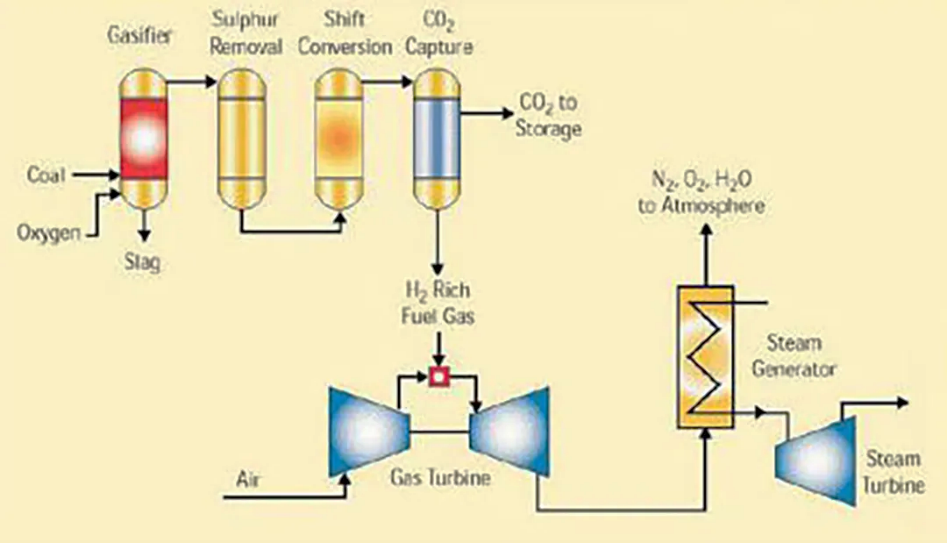
- Pre-combustion capture involves removing CO2 from fossil fuels before they are combusted. This method is typically applied in Integrated Gasification Combined Cycle (IGCC) power plants, where fossil fuels are converted into a mixture of hydrogen and carbon monoxide (syngas) through gasification. Basically, it is based on the evolution of the synthetic gas (syngas) technology, which dates back to 19th century.
- In pre-combustion capture, the syngas undergoes a shift reaction, where carbon monoxide reacts with steam to produce hydrogen and CO2 that is separated from the hydrogen using physical or chemical absorption techniques. The hydrogen can be used as a clean fuel for power generation or other applications, while the captured CO2 is compressed for storage or utilization.
- Pre-combustion capture is highly efficient and produces a concentrated stream of CO, which simplifies the separation process. However, it is best suited for new power plants or major retrofits, as it requires significant changes to the existing infrastructure. The initial capital costs can be high, but the potential for producing clean hydrogen makes it an attractive option for long-term decarbonization.
- Oxy-Fuel Combustion
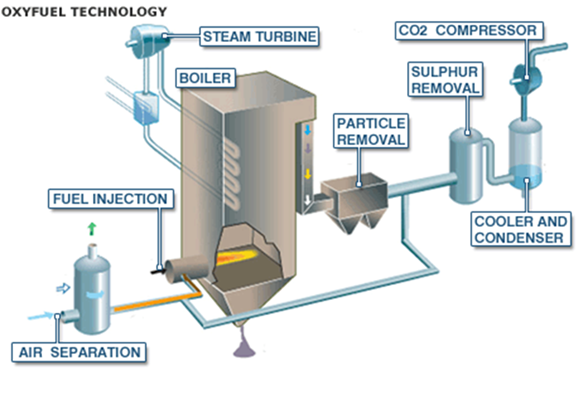
- Oxy-fuel combustion involves burning fossil fuels in a mixture of oxygen and recycled flue gas, instead of air. This process produces a flue gas that is mainly composed of CO2 and water vapor, making CO2 capture easier and more efficient.
- In oxy-fuel combustion, Air Separation Units (ASUs) are used to produce high-purity oxygen, which is then mixed with recycled flue gas to control the combustion temperature. The resulting flue gas, with a high concentration of CO2, is cooled to condense the water vapor, leaving a nearly pure stream of CO2 that can be compressed for storage or utilization.
- The main advantage of oxy-fuel combustion is the high concentration of CO2 in the flue gas, which reduces the complexity and cost of CO2 However, the process requires significant energy for air separation and managing the combustion environment. Advances in oxygen production technologies and process integration are crucial to improving the economic viability of oxy-fuel combustion.
Halas’ Research Group of Rice University has been working on Plasmonic application to photocatalysis for more than 30 years. Such catalysts make use of nano-particles oriented in such a way as to become antennas capable of increasing the system’s ability to absorb light. In addition, suitable metals (reactors) are incorporated into the nanoparticle surface to catalyse the actual desired chemical reaction; this is called an antenna-reactor system.
- Direct Air Capture (DAC)
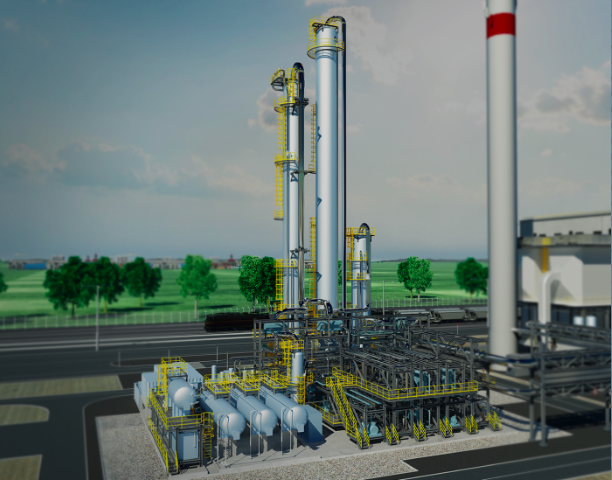
- Direct air capture (DAC) is an emerging technology that captures CO2 directly from the ambient air. This method is unique in that it can capture CO from diffuse sources, making it a versatile tool for achieving negative emissions and offsetting emissions from hard-to-abate sectors.
- DAC technologies typically use chemical sorbents or solid adsorbents to capture CO2 from the air. In one approach, air is passed through a liquid solution that reacts with CO, forming a compound that can be heated to release pure CO2. In another approach, solid materials, such as amine-functionalized sorbents, capture CO, which is then released through temperature or pressure changes.
- The main advantage of DAC is its ability to capture CO2 from the atmosphere, offering a solution for reducing overall atmospheric CO levels. However, DAC is currently energy-intensive and expensive due to the low concentration of CO2 in the air. Research and development are focused on improving the efficiency and scalability of DAC technologies to make them a viable component of global carbon management strategies.
Each method of CO capture has its own set of advantages and challenges, and the choice of method depends on the specific application, the source of CO2, and the overall goals of the capture process. By advancing these technologies and integrating them into various sectors, we can make significant strides in reducing CO emissions and mitigating the impacts of climate change.
3. UTILIZATION PATHWAYS FOR CAPTURED CO2
At present, several pathways exist for utilizing captured CO:
- Carbon capture and storage (CCS) for enhanced oil recovery (EOR) and geological storage. Although this is basically a storage activity, the immediate effect is improving oil recovery thereby providing an economic benefit.
- Carbon capture and utilization (CCU) for producing valuable products such as chemicals, fuels, and building materials.
- Direct air capture (DAC) technologies for removing CO2 from the atmosphere and utilization in various applications.
Carbon Capture and Utilization (CCU)
Carbon capture and utilization (CCU) involves converting captured CO2 into valuable products, thereby creating economic incentives for carbon capture while simultaneously addressing climate change. CCU technologies can transform CO2 into a wide range of chemicals, fuels, and materials, contributing to a circular carbon economy. The following are key pathways and examples of CCU applications:
Chemicals and Fuels
- Captured CO2 can be used as a feedstock for the production of various chemicals. For example, CO2 can be reacted with hydrogen to produce methanol, which serves as a precursor for numerous chemical products, including formaldehyde, acetic acid, and plastics. Similarly, CO2 can be used to produce urea, a key component of fertilizers, by reacting with ammonia.
- CO2 can be converted into synthetic fuels through processes such as hydrogenation and Fischer-Tropsch synthesis. These fuels, including synthetic natural gas, diesel, and aviation fuel, can serve as low-carbon alternatives to conventional fossil fuels. For instance, the Sabatier process converts CO2 and hydrogen into methane: in principle, this process may result in a cycle where energy is produced with minimal or no dispersion of CO2 in the atmosphere.
Building Materials
- One of the most promising applications of CO2 utilization is in the production of building materials. CO2 can be used to cure concrete, a process known as carbonation, which improves the strength and durability of the material while sequestering CO2. Companies like CarbonCure Technologies have developed systems that inject CO2 into concrete during mixing, permanently trapping the gas and reducing the carbon footprint of the construction industry.
- CO2 can react with alkaline industrial wastes or naturally occurring minerals to form stable carbonate minerals. This process, known as mineral carbonation, can be used to produce construction materials such as aggregates, bricks, and tiles. Mineral carbonation not only sequesters CO2 but also provides a sustainable use for industrial by-products like fly ash and slag.
- BluenzymeTM system (https://www.saipem.com/en/solutions-energy-transition/reduce-co2-emissions/co2-capture-storage/carbon-capture/bluenzyme) is a commercial process which uses enzyme-based mineral carbonation to capture CO2 as hydrogen carbonate, which can be injected for long term storage or used in other useful applications.
Polymers and Plastics
- Captured CO2 can be utilized in the production of polymers and plastics. For example, CO2 can be co-polymerized with epoxides to produce poly-carbonates, which are used in a variety of applications, from automotive components to electronic devices. Covestro (https://www.covestro.com/en/sustainability/what-drives-us/circular-economy/alternative-resources/co2-as-a-raw-material) is exploring the use of CO2 as a raw material in the production of polyurethane foams, which are widely used in insulation and cushioning.

Bio-based Products
- CO2 can be used to enhance the growth of algae, which can be processed into biofuels, animal feed, and other valuable products. Algae cultivation systems capture CO2 from industrial emissions and use it as a nutrient source, thereby converting waste CO2 into biomass. This approach not only mitigates emissions but also supports the development of sustainable bio-based industries.
- Advances in synthetic biology enable the engineering of microorganisms to convert CO2 into a variety of bio-based products. For instance, genetically modified bacteria can be designed to produce biofuels, bioplastics, and other biochemicals directly from CO2. This approach leverages the principles of natural photosynthesis to create renewable and sustainable alternatives to fossil-based products.
Energy Storage and Conversion
- CO2 can be utilized in the development of advanced energy storage systems. For example, researchers at the University of Cambridge, UK, are exploring the use of CO2-derived carbon materials in the production of batteries and super-capacitors. The underlying principle is the possibility to capture CO2 during the charge-discharge cycle of the capacitor itself. These materials can enhance the performance and sustainability of energy storage devices, supporting the transition to renewable energy sources. Examples also exist of the use of CO2 as working fluid for a thermodynamic cycle which produces electricity in medium scale power systems (Energy Dome concept).
- Captured CO2 can be converted into renewable fuels through processes such as electrochemical reduction and photocatalysis. These technologies use renewable electricity or sunlight to drive the conversion of CO2 into energy-dense fuels like methane, methanol, and formic acid. These renewable fuels can be stored and used to generate electricity or power vehicles, providing a means of balancing energy supply and demand.
- An example of this approach is AIRMADE (https://www.aircompany.com/technology/), which produces chemicals from CO2 and green hydrogen via electrolysis and catalytic conversion. The range of available products spans from Synthetic Air Fuel (SAF) to perfums and beverages (https://www.aircompany.com/shop/).
Food and Beverage Industry
- One of the simplest and most widespread uses of captured CO2 is in the carbonation of beverages. The food and beverage industry uses CO2 to carbonate soft drinks, beer, and sparkling water. Utilizing captured CO2 for these purposes can reduce the reliance on CO2 produced from fossil fuels.
- CO2 is also used in controlled atmosphere storage facilities to extend the shelf life of fruits and vegetables. By maintaining specific levels of CO2 and oxygen, these facilities can slow the ripening process and reduce spoilage, thereby improving food security and reducing waste.
Case studies and examples
Carbon Capture and Storage (CCS) Projects:
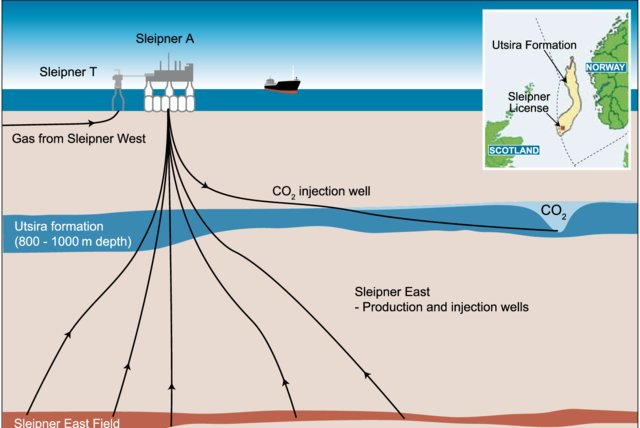
- Sleipner Project (Norway): The Sleipner Project, operated by Equinor, is one of the world’s first and largest commercial CCS projects. It involves capturing CO2 from natural gas production at the Sleipner field in the North Sea and injecting it into a deep saline aquifer beneath the seabed for geological storage. The project has been operating since 1996, demonstrating the technical feasibility and safety of CCS for reducing CO emissions from industrial activities.
- Petra Nova Project (USA): Located in Texas, the Petra Nova Project is a joint venture between NRG Energy and JX Nippon Oil & Gas Exploration Corporation. It captures CO2 emissions from a coal-fired power plant using post-combustion capture technology and transports the captured CO via pipeline for use in enhanced oil recovery (EOR) operations in nearby oil fields. The project has demonstrated the integration of CCS with EOR to achieve both emissions reductions and increased oil production. The Petra Nova carbon emissions reduction system uses a high performance amine-based absorption system developed by Mitsubishi Heavy Industries and Kansai Electric Power. The CO2 is removed from the exhaust gas through a basic absorber-stripper system. The gaseous CO2 is then compressed to supercritical conditions. The CO2 leaving the carbon capture plant is over 99% pure and is sent 82 miles through 12-inch diameter pipes to West Ranch oil field, where it is used for enhanced oil recovery. The carbon dioxide from the Petra Nova Initiative will eventually be stored in the sandstone Frio Formation of the West Ranch oil field, at a depth of about 5,000 feet underground and a ground area coverage of about 4,000 acres.

Carbon Capture and Utilization (CCU) Facilities:
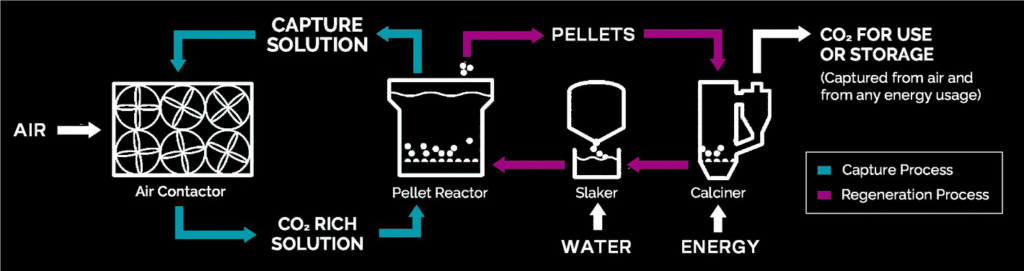
- Carbon Engineering’s Direct Air Capture (DAC) Facility (Canada): Carbon Engineering operates a DAC facility in Squamish, British Columbia, which captures CO2 directly from the atmosphere using a proprietary air contactor technology. Air is throttled through an aqueous alkaline solution where CO2 dissolves in and reacts to form a salt which precipitates out of the solution to form pellets which are taken out of the reactor and heated up (calcined) to produce pure CO2. The captured, purified CO2 is then ready to be used in a variety of chemical reactions to produce synthetic fuels, including gasoline, diesel, and jet fuel. The facility demonstrates the potential for DAC to produce low-carbon fuels while removing CO2 from the atmosphere. The development of a large-scale DAC plant is currently underway in Ector County, TX, using Carbon Engineering technology, by 1Pointfive, a subsidiary of Occidental.

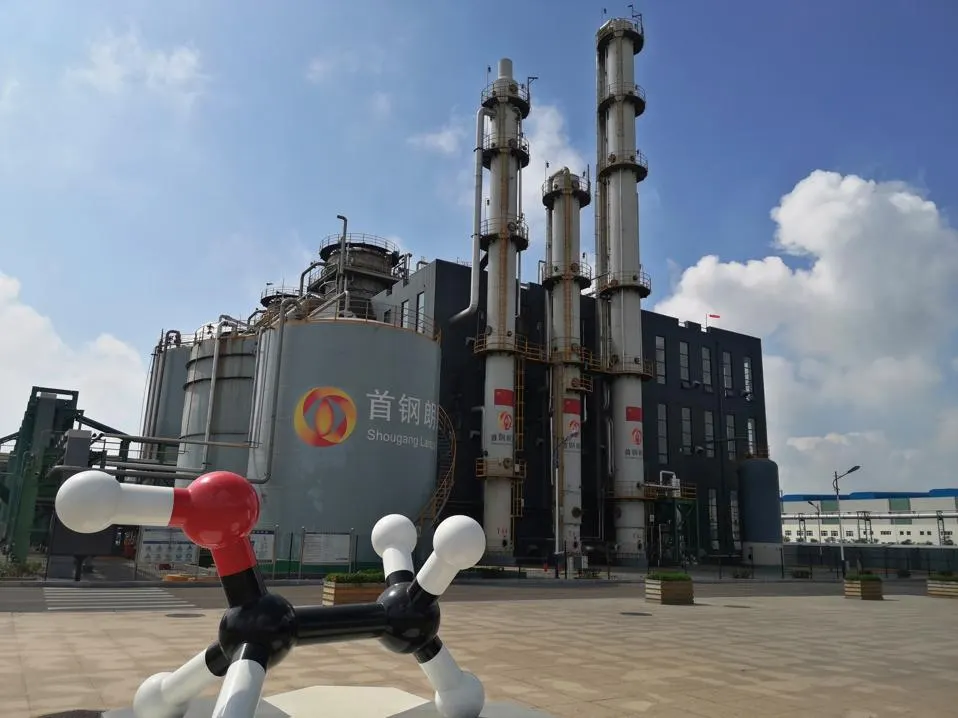
- LanzaTech’s Carbon Recycling Platform (Global): LanzaTech is a biotechnology company that converts waste gases, including CO2, from industrial processes into valuable chemicals and fuels using microbial fermentation. The process consists in CO digestion by strains of Clostridium bacteria, which convert it into ethanol, eventually transformed in ethylene by means of known catalytic reactions. Such a sustainable ethylene is the building block of a large number of useful chemicals.
The company’s carbon recycling platform has been deployed in various industrial settings, including steel mills and ethanol plants, to capture and convert CO2 emissions into ethanol, jet fuel, and other products. LanzaTech’s approach demonstrates the feasibility of CCU for reducing emissions and producing sustainable fuels.
Research Initiatives:
CarbFix Project (Iceland): The CarbFix project, led by Reykjavik Energy and the University of Iceland, explores the potential for mineral carbonation to permanently store CO by injecting it into basaltic rock formations. CO2 dissolved in water reacts with basaltic minerals to form stable carbonate minerals, effectively sequestering CO over geological timescales. The project has demonstrated the feasibility of mineral carbonation as a cost-effective and environmentally friendly method for CO2

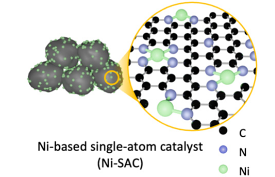
Recently, a research group at Georgia Institute of Technology is working on an electrochemical CO2 reduction reaction (CO2RR) method to directly synthesize chemicals from CO2 capture solutions, bypassing the purifying step. The method exploits a Nickel single-atom (NiSAC catalyst coupled with a bipolar-membrane BPM electrode. In this way, the bicarbonate ion, that forms in the CO2 capture solution, is electrochemically reduced to CO and H2, which can be directly used for further useful chemical reactions. The catalyst helps in keeping the electric current intensity needed for the reaction at low levels.
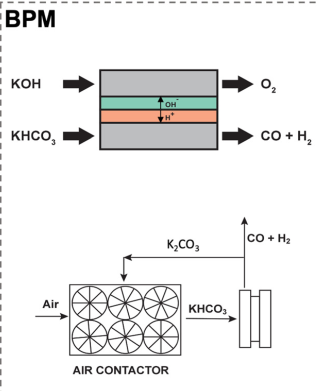
Once integrated in DAC system, NiSAC-BPM CO2RR has several advantages:
- One single air contactor is required as the electrolyzer operates directly with the bicarbonate solution, which lowers capital cost and energy expenditure compared to other solutions
- The separation of the gaseous product from the liquid electrolyte is a simpler process compared to gas/gas separation occurring in other CCUS technologies.
4. ECONOMIC CONSIDERATION
According to the World Economic Forum (https://www.weforum.org/stories/2023/10/climate-loss-and-damage-cost-16-million-per-hour/), the costs of global warming were estimated to exceed $140 billion USD during the decade 2000–2019. This underscores the strong economic rationale for investing in efforts to reduce CO2 emissions in the atmosphere.
Carbon capture and storage (CCS) is inherently a costly activity, which authorities and companies may determine is not worthwhile to support in the short to medium term. The economics of carbon capture, utilization, and storage (CCUS) remain a controversial topic, largely because the technology is still in its learning phase.
For instance, the Gorgon CO2 sequestration project in Australia has yet to meet its targets, despite substantial investments and the technical expertise provided by the governing joint venture. Examples like this can contribute to negative public perceptions of CCUS, leading to skepticism about whether it is a worthwhile investment of resources.
In this context, utilizing captured CO2 can be particularly beneficial, as it provides short-term revenue alongside the long-term benefit of reducing CO2 emissions into the atmosphere. There are several examples demonstrating the short-term profitability of CO2 utilization, with varying degrees of technological maturity.
Mc Kinsey’s study: “Scaling the CCUS industry to achieve net-zero emissions” assessed that four kind of revenues are available to promote investments in the CCUS sector, namely:
- Subsidies and regulatory interventions, including fiscal incentives;
- Willingness to pay for lower-carbon-intensity products: premium prices can be acceptable for certain products, like luxury goods or environment-friendly buildings
- Valuation of CO2as a feedstock; examples of this are Covestro and AIRMADE initiatives mentioned in the previous section.
- Voluntary carbon market, i.e. carbon credits which will be discussed below.
The most immediate economic benefit of CO2 utilization comes from Enhanced Oil Recovery (EOR) projects. For example, the Wasson field in West Texas produced an additional 120 million barrels of oil through CO2 injection. Another notable case is the Sleipner project in Norway, as previously discussed. In such projects, revenues can reach tens of millions of dollars, even after accounting for the costs of injection activities.
However, there are two significant drawbacks. First, scope 3 CO2 emissions—those resulting from the eventual combustion of the recovered fossil fuels—remain a concern. Second, the profitability of CO2 flooding projects often relies on the availability of fiscal incentives, which may not always be guaranteed.
Other applications of carbon dioxide generally yield lower monetary returns but still provide noteworthy benefits. For instance, in greenhouse power generation, the AGR Power Energy Centre for the 217,000 m² Fenland glasshouse in the UK produces 60 MW of energy using a combination of sources. The CO2 recovered from gas engines is repurposed to enhance plant cultivation in the greenhouse. This facility is estimated to sequester around 700 tons of CO2 annually in the vegetables it produces.
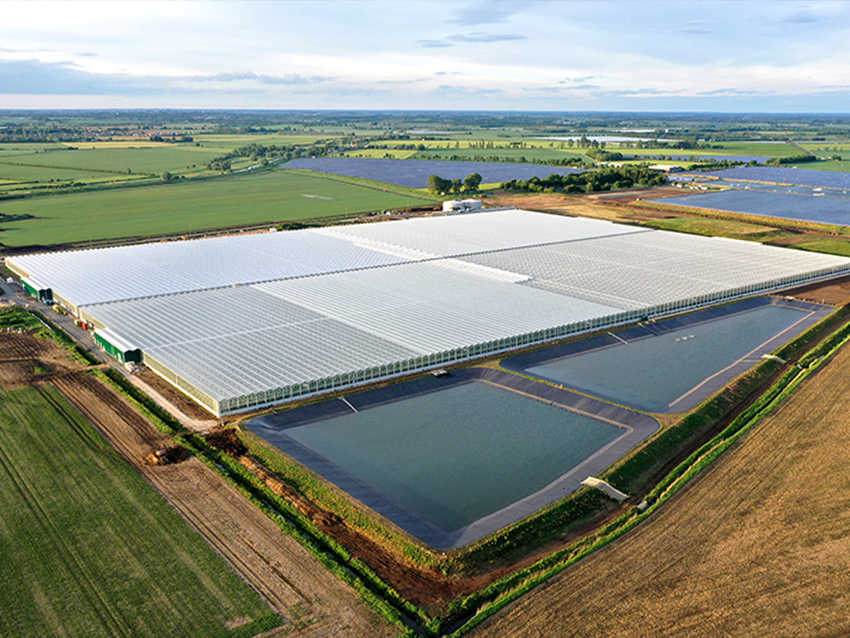
The Fenland I glasshouse is estimated to save approximately 12.6 million tons of CO2 equivalents annually.
Another area where CCUS is being applied is in the production of soft drinks. In this case, the main challenge lies in delivering a food-grade CO2 stream. Once the gas is purified, the compressed CO2 is directly injected into the beverage. A facility of this kind is set to become operational in Elmsford, NY.
In such applications, revenue primarily stems from two factors:
- Cost savings from avoiding the purchase of CO2from external sources, which can be significant, as food-grade CO2 costs approximately $2,800 USD per ton when purchased in pressurized cylinders.
- Carbon credits generated by CCUS activities. In the European Union, these are referred to as EU allowances (EUAs) under the Emission Trading System (ETS).
The principle of a carbon credit system is that each certified ton of CO2 emissions avoided by CCUS can be quantified, auctioned, and traded, allowing industries or facilities to offset emissions and avoid fines from environmental regulators. For example, the current value of an EUA is approximately €60 per ton of CO2. This system is a key driver of CCUS adoption worldwide.
5.CONCLUSIONS
A number of opportunities exist for carbon oxides sequestration and usage which are technologically feasible. Of course, costs are a challenge which has to be met: public economic support will be probably needed for a long time in this respect. On the other hand, it is not likely that CCUS alone may reduce the atmospheric CO2 content at the desired level; however, the combination of CCUS and emission reduction initiatives may well achieve the objective of managing effectively the level of carbon dioxide in the atmosphere. As a final consideration, it is certainly worth while investigating ways of utilizing as a raw material for the synthesis of chemicals, especially in view of a future where fossil hydrocarbons will no more be extracted.